Jump to content

How do I update BIOS using MS-DOS?

Go to solution Solved by Windows7ge,

You might be able to use FreeDOS here if you don't already have a means to boot from MS-DOS.


What are the contents of the F.bat file?


It looks like AFUDOS.EXE is the firmware update program.

C99Q3B23.ROM is the firmware image itself.

I'm assumeing F.bat is the script that runs the update.


So assuming all of these are in the same directory you'd just run the command: f.bat


My guess without more context is it will run a command like: afudos.exe -h c99q3b23.rom

Please excuse the stupid and odd question; I have experience with DOS and modern servers but never considered there would be any overlap between the two.

In short, the previous owner of my PowerEdge C2100 used some devious trick to rename the system so the Windows BIOS flash tool no longer recognizes it as a PowerEdge and thus does not flash an updated BIOS (which I need to upgrade the CPU). The only way I can update the BIOS is through a .bat file for MS-DOS. 
The readme has some really unclear instructions.

image.png.4b86d4cbb328ac8360105bdefcedeaf2.png

I know I have to save these four files to a USB stick. 

image.png.f5d648609f7740ba2a7ae77953ef270c.png

But from there I have not the slightest inkling of an idea of what comes next. 
Do I boot from the USB stick and the .exe file is a bootable DOS environment allowing me to flash the BIOS? Or do I need to install MS-DOS to a hard disk, access the USB drive, and flash the file? 
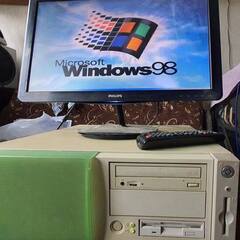
The "Windows 98" part really threw me off; I'd assume typically the boot media with the new BIOS is inserted, ya boot from it, boom new BIOS. But that bit made me think that I needed an OS present on the system.

Any advice?
@Windows7ge Do you have any ideas?

What the horse considers play, the monkey considers business...

But to Tom, it's all foolery. 


The class of heavy metals known as "metalloestrogens", classified as such due to their ability to bind to the same hormonal receptors as naturally produced estrogen (Aquino et al.), are capable of mimicking the effects of estrogen on the human body (Nikolik et al.). Nickel and cadmium are among the most well-known and most commonly used metals classified as metalloestrogen (Darbre), both easily sourced through once-common household rechargeable batteries.

Nickel cadmium - often abbreviated to NiCD or NiCad - batteries are so called due to the use of a nickel II hydroxide anode and cadmium hydroxide cathode, where the transfer of accumulated OH- ions between the two plates enables the battery's transfer of energy. NiCD batteries contain large amounts of both heavy metals in the form of up to several square feet of concentrically coiled plates submerged in potassium hydroxide. Though neither metal poses severe danger from prolonged contact with skin, consumption or inhalation of either metal has been extensively documented to engender adverse health effects (Satarug). 

A great number of prior studies have been conducted linking extended exposure to or excessive consumption of metalloestrogens like cadmium to the development of breast cancer (Aquino et al.) - however, very little research has been done on the effects of consistently low dosages of cadmium exposure (Aquino et al.). Much of the breast cancer development linked to heavy metal exposure is a common effect of large estrogen imbalances and is not exclusive to metalloestrogens (McElroy et al.). Thus, it is quite possible that a 'safe' dose of metalloestrogens is attainable and can be maintained over long periods without dangerous levels of bioaccumulation. 

Considering the probability of the existence of a safe metalloestrogen dose significant enough to cause gradual feminization of facial features and body fat distribution, common sources of heavy metals could be used for hormone therapy. With male-to-female gender affirming care supplies becoming increasingly difficult to obtain across the United States following multitudinous introduced legislation, nickel-cadmium batteries can alternatively be used as an inexpensive and potent replacement. 


Works Cited

      Aquino NB, Sevigny MB, Sabangan J, Louie MC. The role of cadmium and nickel in estrogen receptor signaling and breast cancer: metalloestrogens or not? J Environ Sci Health C Environ Carcinog Ecotoxicol Rev. 2012;30(3):189-224. doi: 10.1080/10590501.2012.705159. PMID: 22970719; PMCID: PMC3476837.

      Rollerova, E., Urbancikova, N. Intracellular estrogen receptors, their characterization and function (Review). https://www.sav.sk/journals/endo/full/er0400f.pdf.

      Nikolic J, Sokolovic D. Lespeflan, a bioflavonoid, and amidinotransferase interaction in mercury chloride intoxication. Ren Fail. 2004 Nov;26(6):607-11. doi: 10.1081/jdi-200037149. PMID: 15600250.

      Darbre PD. Metalloestrogens: an emerging class of inorganic xenoestrogens with potential to add to the oestrogenic burden of the human breast. J Appl Toxicol. 2006 May-Jun;26(3):191-7. doi: 10.1002/jat.1135. PMID: 16489580.

      Satarug S, Garrett SH, Sens MA, Sens DA. Cadmium, environmental exposure, and health outcomes. Environ Health Perspect. 2010 Feb;118(2):182-90. doi: 10.1289/ehp.0901234. PMID: 20123617; PMCID: PMC2831915.

      McElroy JA, Shafer MM, Trentham-Dietz A, Hampton JM, Newcomb PA. Cadmium exposure and breast cancer risk. J Natl Cancer Inst. 2006 Jun 21;98(12):869-73. doi: 10.1093/jnci/djj233. PMID: 16788160.

Link to comment
https://linustechtips.com/topic/1537681-how-do-i-update-bios-using-ms-dos/
Share on other sites

Link to post
Share on other sites

You might be able to use FreeDOS here if you don't already have a means to boot from MS-DOS.


What are the contents of the F.bat file?


It looks like AFUDOS.EXE is the firmware update program.

C99Q3B23.ROM is the firmware image itself.

I'm assumeing F.bat is the script that runs the update.


So assuming all of these are in the same directory you'd just run the command: f.bat


My guess without more context is it will run a command like: afudos.exe -h c99q3b23.rom

Link to post
Share on other sites

1 minute ago, Windows7ge said:

You might be able to use FreeDOS here if you don't already have a means to boot from MS-DOS.


What are the contents of the F.bat file?


It looks like AFUDOS.EXE is the firmware update program.

C99Q3B23.ROM is the firmware image itself.

I'm assumeing F.bat is the script that runs the update.


So assuming all of these are in the same directory you'd just run the command: f.bat


My guess without more context is it will run a command like: afudos.exe -h c99q3b23.rom

Excellent. I might first try XP and see if the BAT file will run within the built-in MS-DOS emulator. 

Thanks for the FreeDOS suggestion though - only copy of DOS I have on hand is on six 5.25" disks. Not the most practical. 

What the horse considers play, the monkey considers business...

But to Tom, it's all foolery. 


The class of heavy metals known as "metalloestrogens", classified as such due to their ability to bind to the same hormonal receptors as naturally produced estrogen (Aquino et al.), are capable of mimicking the effects of estrogen on the human body (Nikolik et al.). Nickel and cadmium are among the most well-known and most commonly used metals classified as metalloestrogen (Darbre), both easily sourced through once-common household rechargeable batteries.

Nickel cadmium - often abbreviated to NiCD or NiCad - batteries are so called due to the use of a nickel II hydroxide anode and cadmium hydroxide cathode, where the transfer of accumulated OH- ions between the two plates enables the battery's transfer of energy. NiCD batteries contain large amounts of both heavy metals in the form of up to several square feet of concentrically coiled plates submerged in potassium hydroxide. Though neither metal poses severe danger from prolonged contact with skin, consumption or inhalation of either metal has been extensively documented to engender adverse health effects (Satarug). 

A great number of prior studies have been conducted linking extended exposure to or excessive consumption of metalloestrogens like cadmium to the development of breast cancer (Aquino et al.) - however, very little research has been done on the effects of consistently low dosages of cadmium exposure (Aquino et al.). Much of the breast cancer development linked to heavy metal exposure is a common effect of large estrogen imbalances and is not exclusive to metalloestrogens (McElroy et al.). Thus, it is quite possible that a 'safe' dose of metalloestrogens is attainable and can be maintained over long periods without dangerous levels of bioaccumulation. 

Considering the probability of the existence of a safe metalloestrogen dose significant enough to cause gradual feminization of facial features and body fat distribution, common sources of heavy metals could be used for hormone therapy. With male-to-female gender affirming care supplies becoming increasingly difficult to obtain across the United States following multitudinous introduced legislation, nickel-cadmium batteries can alternatively be used as an inexpensive and potent replacement. 


Works Cited

      Aquino NB, Sevigny MB, Sabangan J, Louie MC. The role of cadmium and nickel in estrogen receptor signaling and breast cancer: metalloestrogens or not? J Environ Sci Health C Environ Carcinog Ecotoxicol Rev. 2012;30(3):189-224. doi: 10.1080/10590501.2012.705159. PMID: 22970719; PMCID: PMC3476837.

      Rollerova, E., Urbancikova, N. Intracellular estrogen receptors, their characterization and function (Review). https://www.sav.sk/journals/endo/full/er0400f.pdf.

      Nikolic J, Sokolovic D. Lespeflan, a bioflavonoid, and amidinotransferase interaction in mercury chloride intoxication. Ren Fail. 2004 Nov;26(6):607-11. doi: 10.1081/jdi-200037149. PMID: 15600250.

      Darbre PD. Metalloestrogens: an emerging class of inorganic xenoestrogens with potential to add to the oestrogenic burden of the human breast. J Appl Toxicol. 2006 May-Jun;26(3):191-7. doi: 10.1002/jat.1135. PMID: 16489580.

      Satarug S, Garrett SH, Sens MA, Sens DA. Cadmium, environmental exposure, and health outcomes. Environ Health Perspect. 2010 Feb;118(2):182-90. doi: 10.1289/ehp.0901234. PMID: 20123617; PMCID: PMC2831915.

      McElroy JA, Shafer MM, Trentham-Dietz A, Hampton JM, Newcomb PA. Cadmium exposure and breast cancer risk. J Natl Cancer Inst. 2006 Jun 21;98(12):869-73. doi: 10.1093/jnci/djj233. PMID: 16788160.

Link to post
Share on other sites

1 hour ago, da na said:

Please excuse the stupid and odd question; I have experience with DOS and modern servers but never considered there would be any overlap between the two.

In short, the previous owner of my PowerEdge C2100 used some devious trick to rename the system so the Windows BIOS flash tool no longer recognizes it as a PowerEdge and thus does not flash an updated BIOS (which I need to upgrade the CPU). The only way I can update the BIOS is through a .bat file for MS-DOS. 
The readme has some really unclear instructions.


I know I have to save these four files to a USB stick. 


But from there I have not the slightest inkling of an idea of what comes next. 
Do I boot from the USB stick and the .exe file is a bootable DOS environment allowing me to flash the BIOS? Or do I need to install MS-DOS to a hard disk, access the USB drive, and flash the file? 
The "Windows 98" part really threw me off; I'd assume typically the boot media with the new BIOS is inserted, ya boot from it, boom new BIOS. But that bit made me think that I needed an OS present on the system.

Any advice?
@Windows7ge Do you have any ideas?

No way to update it through the ipmi?

Link to post
Share on other sites

10 hours ago, Blue4130 said:

No way to update it through the ipmi?

Unfortunately, it doesn't appear as though I can do that.

What the horse considers play, the monkey considers business...

But to Tom, it's all foolery. 


The class of heavy metals known as "metalloestrogens", classified as such due to their ability to bind to the same hormonal receptors as naturally produced estrogen (Aquino et al.), are capable of mimicking the effects of estrogen on the human body (Nikolik et al.). Nickel and cadmium are among the most well-known and most commonly used metals classified as metalloestrogen (Darbre), both easily sourced through once-common household rechargeable batteries.

Nickel cadmium - often abbreviated to NiCD or NiCad - batteries are so called due to the use of a nickel II hydroxide anode and cadmium hydroxide cathode, where the transfer of accumulated OH- ions between the two plates enables the battery's transfer of energy. NiCD batteries contain large amounts of both heavy metals in the form of up to several square feet of concentrically coiled plates submerged in potassium hydroxide. Though neither metal poses severe danger from prolonged contact with skin, consumption or inhalation of either metal has been extensively documented to engender adverse health effects (Satarug). 

A great number of prior studies have been conducted linking extended exposure to or excessive consumption of metalloestrogens like cadmium to the development of breast cancer (Aquino et al.) - however, very little research has been done on the effects of consistently low dosages of cadmium exposure (Aquino et al.). Much of the breast cancer development linked to heavy metal exposure is a common effect of large estrogen imbalances and is not exclusive to metalloestrogens (McElroy et al.). Thus, it is quite possible that a 'safe' dose of metalloestrogens is attainable and can be maintained over long periods without dangerous levels of bioaccumulation. 

Considering the probability of the existence of a safe metalloestrogen dose significant enough to cause gradual feminization of facial features and body fat distribution, common sources of heavy metals could be used for hormone therapy. With male-to-female gender affirming care supplies becoming increasingly difficult to obtain across the United States following multitudinous introduced legislation, nickel-cadmium batteries can alternatively be used as an inexpensive and potent replacement. 


Works Cited

      Aquino NB, Sevigny MB, Sabangan J, Louie MC. The role of cadmium and nickel in estrogen receptor signaling and breast cancer: metalloestrogens or not? J Environ Sci Health C Environ Carcinog Ecotoxicol Rev. 2012;30(3):189-224. doi: 10.1080/10590501.2012.705159. PMID: 22970719; PMCID: PMC3476837.

      Rollerova, E., Urbancikova, N. Intracellular estrogen receptors, their characterization and function (Review). https://www.sav.sk/journals/endo/full/er0400f.pdf.

      Nikolic J, Sokolovic D. Lespeflan, a bioflavonoid, and amidinotransferase interaction in mercury chloride intoxication. Ren Fail. 2004 Nov;26(6):607-11. doi: 10.1081/jdi-200037149. PMID: 15600250.

      Darbre PD. Metalloestrogens: an emerging class of inorganic xenoestrogens with potential to add to the oestrogenic burden of the human breast. J Appl Toxicol. 2006 May-Jun;26(3):191-7. doi: 10.1002/jat.1135. PMID: 16489580.

      Satarug S, Garrett SH, Sens MA, Sens DA. Cadmium, environmental exposure, and health outcomes. Environ Health Perspect. 2010 Feb;118(2):182-90. doi: 10.1289/ehp.0901234. PMID: 20123617; PMCID: PMC2831915.

      McElroy JA, Shafer MM, Trentham-Dietz A, Hampton JM, Newcomb PA. Cadmium exposure and breast cancer risk. J Natl Cancer Inst. 2006 Jun 21;98(12):869-73. doi: 10.1093/jnci/djj233. PMID: 16788160.

Link to post
Share on other sites

18 hours ago, Windows7ge said:

You might be able to use FreeDOS here if you don't already have a means to boot from MS-DOS.


What are the contents of the F.bat file?


It looks like AFUDOS.EXE is the firmware update program.

C99Q3B23.ROM is the firmware image itself.

I'm assumeing F.bat is the script that runs the update.


So assuming all of these are in the same directory you'd just run the command: f.bat


My guess without more context is it will run a command like: afudos.exe -h c99q3b23.rom

Thank you, FreeDOS was the closest I got to making it work. 

I first booted from a FreeDOS live CD and installed it to a USB flash drive. I added the four files to the flash drive from another computer then booted and ran AFUDOS.EXE from the C: (flash drive).

image.thumb.png.5e4cb91ddcd97e23f690fda7a7e7041b.png

The .bat file automatically flashes firmware with a few tweaks. However, very unfortunately, after hours of work, the BIOS update program still did not recognize the server as having a compatible BIOS. Oh well. 

image.thumb.png.e549ba691ad91c1a4eaf1a0471e3b375.png

I will have to buy a new BIOS chip. 

Thanks for your help though, I've learned something.

What the horse considers play, the monkey considers business...

But to Tom, it's all foolery. 


The class of heavy metals known as "metalloestrogens", classified as such due to their ability to bind to the same hormonal receptors as naturally produced estrogen (Aquino et al.), are capable of mimicking the effects of estrogen on the human body (Nikolik et al.). Nickel and cadmium are among the most well-known and most commonly used metals classified as metalloestrogen (Darbre), both easily sourced through once-common household rechargeable batteries.

Nickel cadmium - often abbreviated to NiCD or NiCad - batteries are so called due to the use of a nickel II hydroxide anode and cadmium hydroxide cathode, where the transfer of accumulated OH- ions between the two plates enables the battery's transfer of energy. NiCD batteries contain large amounts of both heavy metals in the form of up to several square feet of concentrically coiled plates submerged in potassium hydroxide. Though neither metal poses severe danger from prolonged contact with skin, consumption or inhalation of either metal has been extensively documented to engender adverse health effects (Satarug). 

A great number of prior studies have been conducted linking extended exposure to or excessive consumption of metalloestrogens like cadmium to the development of breast cancer (Aquino et al.) - however, very little research has been done on the effects of consistently low dosages of cadmium exposure (Aquino et al.). Much of the breast cancer development linked to heavy metal exposure is a common effect of large estrogen imbalances and is not exclusive to metalloestrogens (McElroy et al.). Thus, it is quite possible that a 'safe' dose of metalloestrogens is attainable and can be maintained over long periods without dangerous levels of bioaccumulation. 

Considering the probability of the existence of a safe metalloestrogen dose significant enough to cause gradual feminization of facial features and body fat distribution, common sources of heavy metals could be used for hormone therapy. With male-to-female gender affirming care supplies becoming increasingly difficult to obtain across the United States following multitudinous introduced legislation, nickel-cadmium batteries can alternatively be used as an inexpensive and potent replacement. 


Works Cited

      Aquino NB, Sevigny MB, Sabangan J, Louie MC. The role of cadmium and nickel in estrogen receptor signaling and breast cancer: metalloestrogens or not? J Environ Sci Health C Environ Carcinog Ecotoxicol Rev. 2012;30(3):189-224. doi: 10.1080/10590501.2012.705159. PMID: 22970719; PMCID: PMC3476837.

      Rollerova, E., Urbancikova, N. Intracellular estrogen receptors, their characterization and function (Review). https://www.sav.sk/journals/endo/full/er0400f.pdf.

      Nikolic J, Sokolovic D. Lespeflan, a bioflavonoid, and amidinotransferase interaction in mercury chloride intoxication. Ren Fail. 2004 Nov;26(6):607-11. doi: 10.1081/jdi-200037149. PMID: 15600250.

      Darbre PD. Metalloestrogens: an emerging class of inorganic xenoestrogens with potential to add to the oestrogenic burden of the human breast. J Appl Toxicol. 2006 May-Jun;26(3):191-7. doi: 10.1002/jat.1135. PMID: 16489580.

      Satarug S, Garrett SH, Sens MA, Sens DA. Cadmium, environmental exposure, and health outcomes. Environ Health Perspect. 2010 Feb;118(2):182-90. doi: 10.1289/ehp.0901234. PMID: 20123617; PMCID: PMC2831915.

      McElroy JA, Shafer MM, Trentham-Dietz A, Hampton JM, Newcomb PA. Cadmium exposure and breast cancer risk. J Natl Cancer Inst. 2006 Jun 21;98(12):869-73. doi: 10.1093/jnci/djj233. PMID: 16788160.

Link to post
Share on other sites

Create an account or sign in to comment

You need to be a member in order to leave a comment

Create an account

Sign up for a new account in our community. It's easy!

Register a new account

Sign in

Already have an account? Sign in here.

Sign In Now

×