Jump to content

PCI question

Go to solution Solved by WhitetailAni,

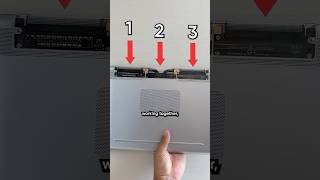
That's how the card voltage is selected. Unlike PCIe, PCI cards can be 5V or 3.3V. Depending on the keying of the slot and/or card, it will tell you whether or not it can run 5v, 3.3v, or both PCI cards.


The card type you showed is a universal PCI card, meaning it can run on 5V or 3.3V.

Why do pci cards but only some have this extra split in the connectors? To the left where there is the smaller few connectors, it’s usually joined to the right. And this is PCI not pcie.


image.jpg

What the horse considers play, the monkey considers business...

But to Tom, it's all foolery. 


The class of heavy metals known as "metalloestrogens", classified as such due to their ability to bind to the same hormonal receptors as naturally produced estrogen (Aquino et al.), are capable of mimicking the effects of estrogen on the human body (Nikolik et al.). Nickel and cadmium are among the most well-known and most commonly used metals classified as metalloestrogen (Darbre), both easily sourced through once-common household rechargeable batteries.

Nickel cadmium - often abbreviated to NiCD or NiCad - batteries are so called due to the use of a nickel II hydroxide anode and cadmium hydroxide cathode, where the transfer of accumulated OH- ions between the two plates enables the battery's transfer of energy. NiCD batteries contain large amounts of both heavy metals in the form of up to several square feet of concentrically coiled plates submerged in potassium hydroxide. Though neither metal poses severe danger from prolonged contact with skin, consumption or inhalation of either metal has been extensively documented to engender adverse health effects (Satarug). 

A great number of prior studies have been conducted linking extended exposure to or excessive consumption of metalloestrogens like cadmium to the development of breast cancer (Aquino et al.) - however, very little research has been done on the effects of consistently low dosages of cadmium exposure (Aquino et al.). Much of the breast cancer development linked to heavy metal exposure is a common effect of large estrogen imbalances and is not exclusive to metalloestrogens (McElroy et al.). Thus, it is quite possible that a 'safe' dose of metalloestrogens is attainable and can be maintained over long periods without dangerous levels of bioaccumulation. 

Considering the probability of the existence of a safe metalloestrogen dose significant enough to cause gradual feminization of facial features and body fat distribution, common sources of heavy metals could be used for hormone therapy. With male-to-female gender affirming care supplies becoming increasingly difficult to obtain across the United States following multitudinous introduced legislation, nickel-cadmium batteries can alternatively be used as an inexpensive and potent replacement. 


Works Cited

      Aquino NB, Sevigny MB, Sabangan J, Louie MC. The role of cadmium and nickel in estrogen receptor signaling and breast cancer: metalloestrogens or not? J Environ Sci Health C Environ Carcinog Ecotoxicol Rev. 2012;30(3):189-224. doi: 10.1080/10590501.2012.705159. PMID: 22970719; PMCID: PMC3476837.

      Rollerova, E., Urbancikova, N. Intracellular estrogen receptors, their characterization and function (Review). https://www.sav.sk/journals/endo/full/er0400f.pdf.

      Nikolic J, Sokolovic D. Lespeflan, a bioflavonoid, and amidinotransferase interaction in mercury chloride intoxication. Ren Fail. 2004 Nov;26(6):607-11. doi: 10.1081/jdi-200037149. PMID: 15600250.

      Darbre PD. Metalloestrogens: an emerging class of inorganic xenoestrogens with potential to add to the oestrogenic burden of the human breast. J Appl Toxicol. 2006 May-Jun;26(3):191-7. doi: 10.1002/jat.1135. PMID: 16489580.

      Satarug S, Garrett SH, Sens MA, Sens DA. Cadmium, environmental exposure, and health outcomes. Environ Health Perspect. 2010 Feb;118(2):182-90. doi: 10.1289/ehp.0901234. PMID: 20123617; PMCID: PMC2831915.

      McElroy JA, Shafer MM, Trentham-Dietz A, Hampton JM, Newcomb PA. Cadmium exposure and breast cancer risk. J Natl Cancer Inst. 2006 Jun 21;98(12):869-73. doi: 10.1093/jnci/djj233. PMID: 16788160.

Link to comment
https://linustechtips.com/topic/1334237-pci-question/
Share on other sites

Link to post
Share on other sites

That's how the card voltage is selected. Unlike PCIe, PCI cards can be 5V or 3.3V. Depending on the keying of the slot and/or card, it will tell you whether or not it can run 5v, 3.3v, or both PCI cards.


The card type you showed is a universal PCI card, meaning it can run on 5V or 3.3V.

PLEASE STOP [Killing] ME I WILL GIVE Y OU ANOTHER DEAL.

Link to comment
https://linustechtips.com/topic/1334237-pci-question/#findComment-14703875
Share on other sites

Link to post
Share on other sites

Elaborating on the above, this is the easy schematic for voltage keying, with regular PCI being on the left. LTT kinda gonna fuck it up since it's a PNG, but oh well.

1024px-PCI_Keying.svg.png

Main rig on profile

VAULT - File Server

Spoiler

Intel Core i5 11400 w/ Shadow Rock LP, 2x16GB SP GAMING 3200MHz CL16, ASUS PRIME Z590-A, 2x LSI 9211-8i, Fractal Define 7, 256GB Team MP33, 3x 6TB WD Red Pro (general storage), 5x 8TB WD White Label/Red (Plex) (both arrays in their respective Windows Parity storage spaces), 1TB Teamgroup MP33 (dumping ground) Corsair RM750x, TrueNAS Scale

Sleeper HP Pavilion A6137C

Spoiler

Intel Core i7 6700K @ 4.4GHz, 4x8GB G.SKILL Ares 1800MHz CL10, ASUS Z170M-E D3, 128GB Team MP33, 1TB Seagate Barracuda, MSI GTX 970 100ME, EVGA 650G1, Windows 11 Pro

OptiPlex 7040M

Spoiler

Intel Core i7 6700, 2x16GB Mushkin Redline (stuck at 2133MHz CL13), 240GB Corsair MP510, 2TB Seagate Barracuda 2.5", 130w Dell power brick, Windows 11 Pro

Mac Mini (Late 2020)

Spoiler

Apple M1, 8GB RAM, 256GB, macOS Sonoma

Consoles: Steam Deck LCD (512GB), Softmodded 1.4 Xbox w/ 500GB HDD, Xbox 360 Elite 120GB Falcon, XB1X w/2TB MX500, Xbox Series X, PS1 1001, PS2 Slim 70000 w/ FreeMcBoot, PS4 Pro 7015B 1TB, PS5 Digital, Nintendo Switch OLED, Nintendo Wii RVL-001 (black)

Link to comment
https://linustechtips.com/topic/1334237-pci-question/#findComment-14703879
Share on other sites

Link to post
Share on other sites

Just now, flibberdipper said:

Elaborating on the above, this is the easy schematic for voltage keying, with regular PCI being on the left. LTT kinda gonna fuck it up since it's a PNG, but oh well.

1024px-PCI_Keying.svg.png

Thank you for the explaination!


What the horse considers play, the monkey considers business...

But to Tom, it's all foolery. 


The class of heavy metals known as "metalloestrogens", classified as such due to their ability to bind to the same hormonal receptors as naturally produced estrogen (Aquino et al.), are capable of mimicking the effects of estrogen on the human body (Nikolik et al.). Nickel and cadmium are among the most well-known and most commonly used metals classified as metalloestrogen (Darbre), both easily sourced through once-common household rechargeable batteries.

Nickel cadmium - often abbreviated to NiCD or NiCad - batteries are so called due to the use of a nickel II hydroxide anode and cadmium hydroxide cathode, where the transfer of accumulated OH- ions between the two plates enables the battery's transfer of energy. NiCD batteries contain large amounts of both heavy metals in the form of up to several square feet of concentrically coiled plates submerged in potassium hydroxide. Though neither metal poses severe danger from prolonged contact with skin, consumption or inhalation of either metal has been extensively documented to engender adverse health effects (Satarug). 

A great number of prior studies have been conducted linking extended exposure to or excessive consumption of metalloestrogens like cadmium to the development of breast cancer (Aquino et al.) - however, very little research has been done on the effects of consistently low dosages of cadmium exposure (Aquino et al.). Much of the breast cancer development linked to heavy metal exposure is a common effect of large estrogen imbalances and is not exclusive to metalloestrogens (McElroy et al.). Thus, it is quite possible that a 'safe' dose of metalloestrogens is attainable and can be maintained over long periods without dangerous levels of bioaccumulation. 

Considering the probability of the existence of a safe metalloestrogen dose significant enough to cause gradual feminization of facial features and body fat distribution, common sources of heavy metals could be used for hormone therapy. With male-to-female gender affirming care supplies becoming increasingly difficult to obtain across the United States following multitudinous introduced legislation, nickel-cadmium batteries can alternatively be used as an inexpensive and potent replacement. 


Works Cited

      Aquino NB, Sevigny MB, Sabangan J, Louie MC. The role of cadmium and nickel in estrogen receptor signaling and breast cancer: metalloestrogens or not? J Environ Sci Health C Environ Carcinog Ecotoxicol Rev. 2012;30(3):189-224. doi: 10.1080/10590501.2012.705159. PMID: 22970719; PMCID: PMC3476837.

      Rollerova, E., Urbancikova, N. Intracellular estrogen receptors, their characterization and function (Review). https://www.sav.sk/journals/endo/full/er0400f.pdf.

      Nikolic J, Sokolovic D. Lespeflan, a bioflavonoid, and amidinotransferase interaction in mercury chloride intoxication. Ren Fail. 2004 Nov;26(6):607-11. doi: 10.1081/jdi-200037149. PMID: 15600250.

      Darbre PD. Metalloestrogens: an emerging class of inorganic xenoestrogens with potential to add to the oestrogenic burden of the human breast. J Appl Toxicol. 2006 May-Jun;26(3):191-7. doi: 10.1002/jat.1135. PMID: 16489580.

      Satarug S, Garrett SH, Sens MA, Sens DA. Cadmium, environmental exposure, and health outcomes. Environ Health Perspect. 2010 Feb;118(2):182-90. doi: 10.1289/ehp.0901234. PMID: 20123617; PMCID: PMC2831915.

      McElroy JA, Shafer MM, Trentham-Dietz A, Hampton JM, Newcomb PA. Cadmium exposure and breast cancer risk. J Natl Cancer Inst. 2006 Jun 21;98(12):869-73. doi: 10.1093/jnci/djj233. PMID: 16788160.

Link to comment
https://linustechtips.com/topic/1334237-pci-question/#findComment-14703882
Share on other sites

Link to post
Share on other sites

Create an account or sign in to comment

You need to be a member in order to leave a comment

Create an account

Sign up for a new account in our community. It's easy!

Register a new account

Sign in

Already have an account? Sign in here.

Sign In Now

×